Yes, calories matter.
No, that does not mean 1,500 calories of ice cream is a nutrition plan.
This is where nutrition arguments get stupid.
If you consistently eat less energy than your body uses, your weight will generally come down. Fine. That still does not mean every calorie is doing the same thing for you.
Losing Weight and Eating Well Are Not the Same Thing
Could somebody technically lose weight eating a terrible diet if they ate little enough of it?
Sure.
Would I call that a good plan?
No.
Food gives you more than calories. You need protein. You need vitamins and minerals. You need fats. You need fiber. You need actual food that supports what you’re asking your body to do.
So yes, I care about the calorie picture.
I also care about what those calories are buying you.
If most of your calorie budget is coming from food that leaves you hungry, underfed and looking for something else to eat 30 minutes later, we probably don’t have a very good system.
I Usually Tell People to Start With Protein
Protein is a pretty useful place to start.
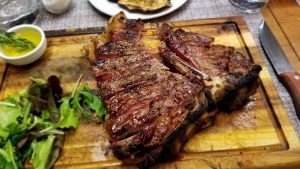
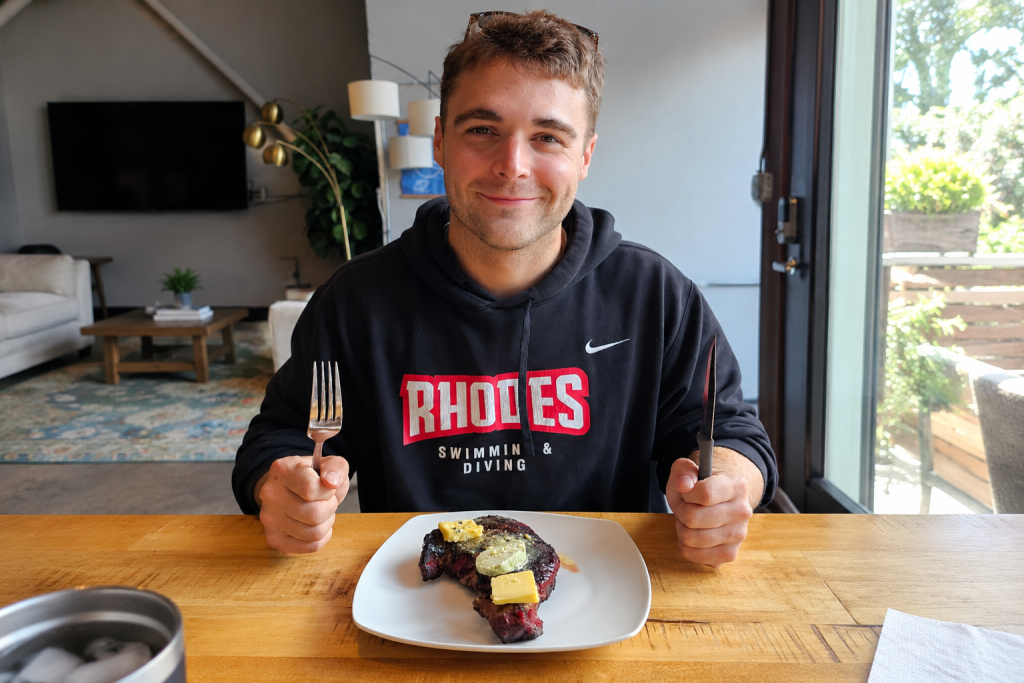
If you eat the steak first, you’re probably going to eat fewer sides afterward.
That’s not complicated.
More importantly, if you’re strength training, protein should not be the thing you remember after you’ve already built the rest of the meal.
There are plenty of rules floating around online about exactly how many grams of protein everybody needs.
I don’t love treating one number like scripture.
Research on resistance training does show that getting enough protein matters for building and maintaining muscle, but individual needs vary depending on the person, how they train, what they’re trying to do and what the rest of their diet looks like.
The bigger point for most of my clients is simpler:
Get enough protein, and stop making it an afterthought.
Food Quality Makes the Calorie Goal Easier to Live With
You can white-knuckle almost any diet for a few days. But a few days aren’t enough. The question is whether you can keep doing it.
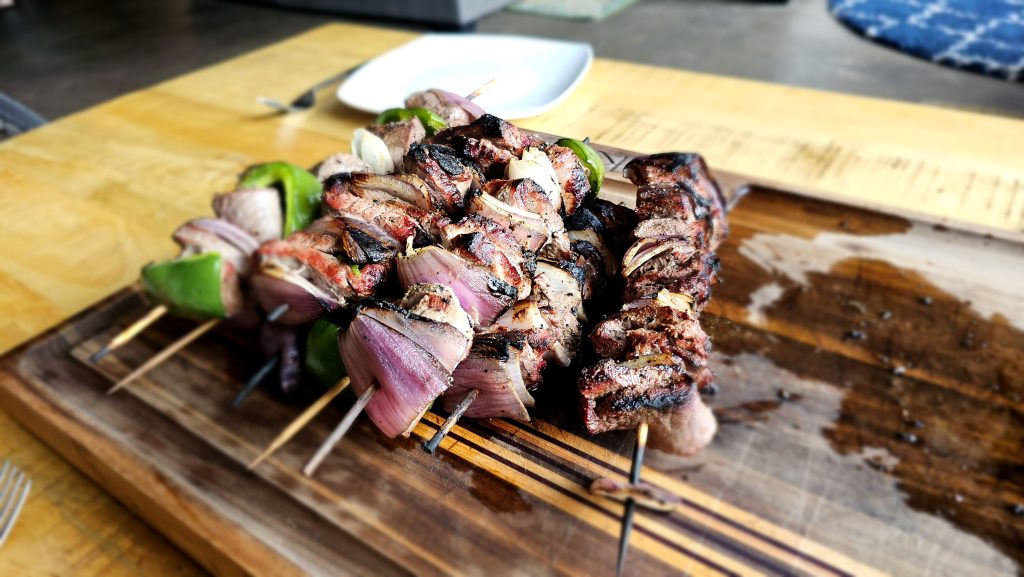
Meals built around protein, minimally processed foods, fruits, vegetables and other actual food usually give you a much better foundation than trying to spend your entire calorie budget on food that doesn’t keep you full or give you much nutritionally.
The goal is not to win calorie math. The goal is to build a way of eating that supports the body you’re asking to train.
This Is Why I Like Food Journals
Most clients do not need me standing over them with a food scale.
I’ll usually have you keep a food journal for a week. Write down what you’re actually eating. Not what you think you should be eating. Not what you ate on your best Tuesday six months ago.
What are you actually eating? Then we look at the pattern.
- Where’s the protein?
- Where are the convenience foods taking over?
- Where are calories sneaking in without giving you much back?
- Are weekends a completely different species from weekdays?
Usually there’s plenty to work with once somebody gets honest about the pattern.
Awareness first. Then we make changes you can actually keep doing.
Your Two Hours With Me Aren’t the Whole Week
If you train with me twice a week, I get two hours. You own basically everything else.
I can give you a good workout. I can push you. I can make sure you’re training well. I can help you pay attention to what you’re eating. But I cannot out-train the other 166 hours of your week.
The clients who get the best results understand that. They:
- train consistently.
- pay attention to nutrition.
- stay active outside the studio.
I can give you a good two hours. You still have to live the rest of them.
So Do Calories or Food Quality Matter More for Weight Loss?
Both. Calories matter if weight loss is the goal.
Food quality matters because you still have to eat like a functioning adult while you’re doing it.
Protein matters. Consistency matters. Activity matters.
And whatever plan you come up with has to be something you can actually repeat. That’s a lot more useful than arguing about whether calories are the only thing that matters.
Technically correct and practically useful are not always the same thing.
You Don’t Need Perfect Macros
You need a plan you can repeat. Start with what you’re actually eating. We’ll work from there.